Are Teeth Whitening Strips Secure? A Dental Professional's Honest Guide
Is Zoom Lightening Secure For Your Enamel? Separating Fact From Fiction On Specialist Bleaching Bleaching tooth paste can be a reliable and practical means to maintain your teeth looking brilliant, however it's important to utilize it in small amounts. Daily usage might lead to enamel wear, which can trigger long-lasting damage to your teeth. For the very best results, make use of whitening toothpaste two to three times a week and select a gentler, enamel-safe item for routine use. Some are more rough than others, so it's necessary to pick the right item to avoid harmful your teeth. If you intend to use bleaching toothpaste everyday or regularly, seek products that are especially identified as enamel-safe. These tooth pastes generally utilize gentler abrasives and active ingredients that are less likely to use down your enamel.
That's the distinction between monitored care and self-treating.
Although all-natural bleaching approaches and at-home kits might appear appealing, absolutely nothing beats the expertise of a dental expert when it concerns protecting your enamel and your pearly whites.
Do it yourself techniques may not supply the dramatic results you're hoping for, and if not used properly, they can cause tooth sensitivity and even enamel damage.
They can additionally offer tailored advice on oral health techniques and recommend extra therapies to aid keep your smile bright and healthy and balanced for several years to come.
Can Laser Teeth Bleaching Damages Your Teeth?
Tooth sensitivity generally takes place at the time of therapy and can last a number of days; gingival irritation begins within a day of the treatment and can also last several days. This is not exactly true as some extremely hostile programs can harm the tooth via dehydration and demineralization such that the tooth momentarily shows up whiter. Lightening strips are thin, adaptable plastic strips coated with https://sparklywhites.co.uk/ a whitening gel that generally consists of hydrogen peroxide or carbamide peroxide.
Which teeth can not be bleached?
If you have a great deal of fillings, oral bonding or crowns, you may not be a candidate for oral bleaching. This is due to the fact that remediations will not respond to bleaching, and a whitening therapy can cause an extremely unequal look.
Just How Usually Can You Securely Lighten Your Teeth?
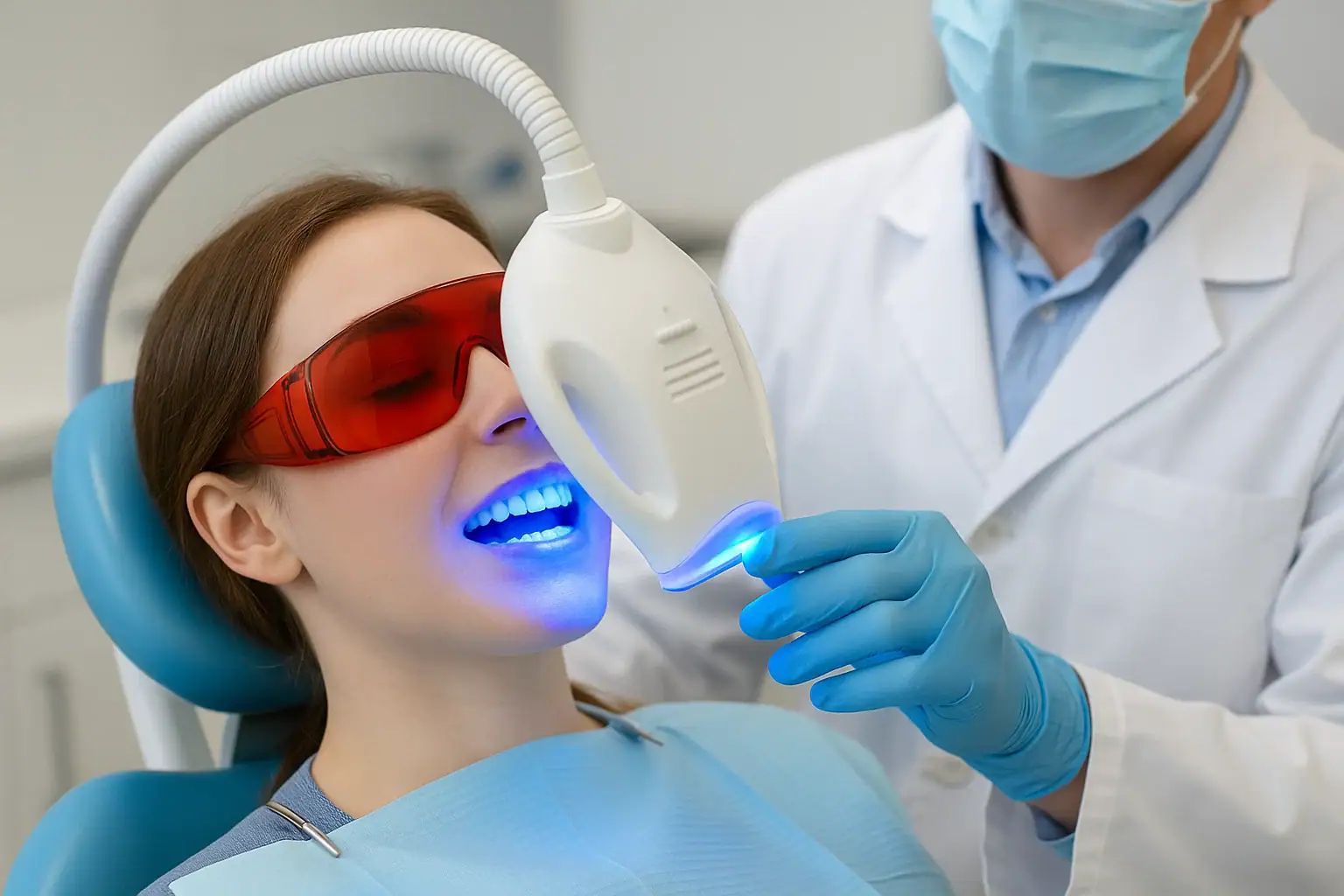
At-home treatments supervised by your dental professional involve custom-fitted trays that stop bleaching gel from contacting your gum tissues while guaranteeing even insurance coverage. These systems make use of lower concentrations (normally 10-20% carbamide peroxide) developed for gradual bleaching over numerous applications. The personalized fit decreases gel waste and minimizes the danger of gum irritation or irregular results. Expert in-office whitening supplies the highest degree of enamel security through managed application, specific concentration degrees, and professional guidance. You could see teeth feel a little rough or look milky promptly after bleaching, yet this results from short-term dehydration. Once your teeth rehydrate over the complying with hours, the enamel go back to its regular look and appearance. Unlike home choices, in-office bleaching features a level of accuracy that's tough to replicate on your own. Protective barriers secure your gums, whitening representatives are carefully used, and the whole treatment is kept track of from beginning to end. Lightening isn't the ideal move for every person, a minimum of not right away. If you're dealing with untreated dental caries, gum tissue condition, or enamel erosion, it's worth getting those arranged first. Enamel works as a sponge, soaking up the shade of coffee, tea, a glass of wine, berries, and cigarette over time. Lightening representatives work to turn around the procedure that causes teeth to tarnish. It's in fact the hardest material in the body, also more powerful than bone. Its work is to shield the softer layers of your teeth from decay, physical wear, and temperature sensitivity. Specialist whitening is widely thought about the safest and most reliable option-- and permanently reason.